Understanding the Role of Lighting in Small Room Design
When it comes to designing small interior spaces, effective lighting can significantly enhance the overall aesthetic and functionality. This article explores how lighting can transform small rooms and offers practical insights for optimizing your interior design.
Understanding the Basics
Lighting plays a crucial role in creating the perception of space and ambiance in interior design. According to research from the American Society of Interior Designers (ASID), effective lighting can improve the mood and functionality of a space, often making it feel larger and more inviting.
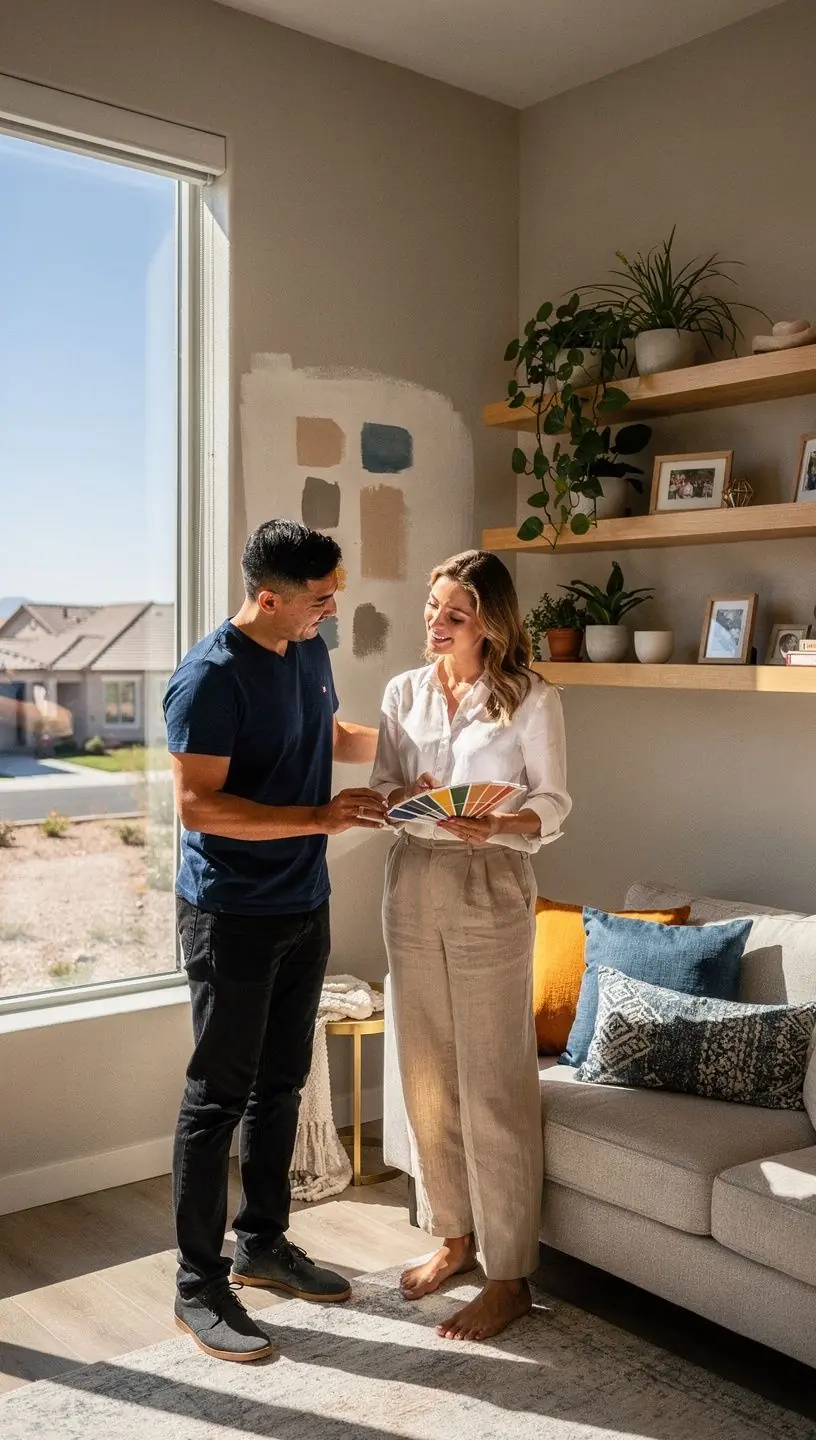
Experts recommend a layered lighting approach, which typically involves three types of lighting: ambient, task, and accent lighting. Each serves a different purpose and, when combined, can maximize the effectiveness of a small room's design.
"Proper lighting can make even the tiniest spaces feel open and welcoming, which is essential in small room design." - Interior Design Expert
The Importance of Lighting Layers
To achieve a well-lit small room, consider the following lighting layers:
- Ambient Lighting: This is the general lighting that fills the entire room. It can come from ceiling fixtures, wall sconces, or lamps. In small rooms, using soft, diffused lighting is often recommended, as it minimizes harsh shadows and creates a more spacious feel.
- Task Lighting: Task lighting focuses on specific areas where activities such as reading, cooking, or working occur. Table lamps, under-cabinet lights, and pendant lights are common examples. Research indicates that well-placed task lighting can improve productivity by up to 30% in work spaces.
- Accent Lighting: This type of lighting highlights specific features in a room, such as artwork or architectural details. Experts suggest using accent lighting to draw attention to focal points, which can create a sense of depth and dimension.
Practical Application of Lighting in Small Rooms
Implementing effective lighting strategies in small rooms involves understanding how to balance these layers. Here are some practical tips:
- Utilize Natural Light: Whenever possible, maximize natural light by keeping windows unobstructed. Research shows that natural light can enhance mood and well-being, making it valuable in small spaces.
- Choose Light Colors: Lighter color palettes for walls and furnishings reflect light, making a room feel more open. Many users report that integrating whites, pastels, and even light-colored furniture can significantly brighten the space.
- Incorporate Mirrors: Using mirrors strategically can amplify both natural and artificial light. According to design experts, a well-placed mirror can double the light in a room, creating an illusion of additional space.
Conclusion
Lighting is an essential element in small room design, influencing both the style and functionality of the space. By understanding how to implement ambient, task, and accent lighting effectively, you can enhance the perception of space and create a warm, inviting environment. While transforming your small room with lighting may take time and thoughtful planning, the results can be both rewarding and impactful.
As you consider upgrading your interior design, remember that focusing on lighting can lead to significant improvements in your space's atmosphere and usability. For further assistance, consulting with a micro-renovation agency can provide tailored solutions that meet your specific needs.
Learn More