How to Create a Cohesive Style with Minimal Upgrades
Creating a cohesive interior style doesn't always require a full renovation. Many homeowners in Latvia are opting for micro-renovations—small, impactful upgrades that can significantly enhance the overall aesthetic of their spaces. In this article, we explore effective strategies to achieve a harmonious look with minimal effort and investment.
Understanding the Basics of Cohesive Style
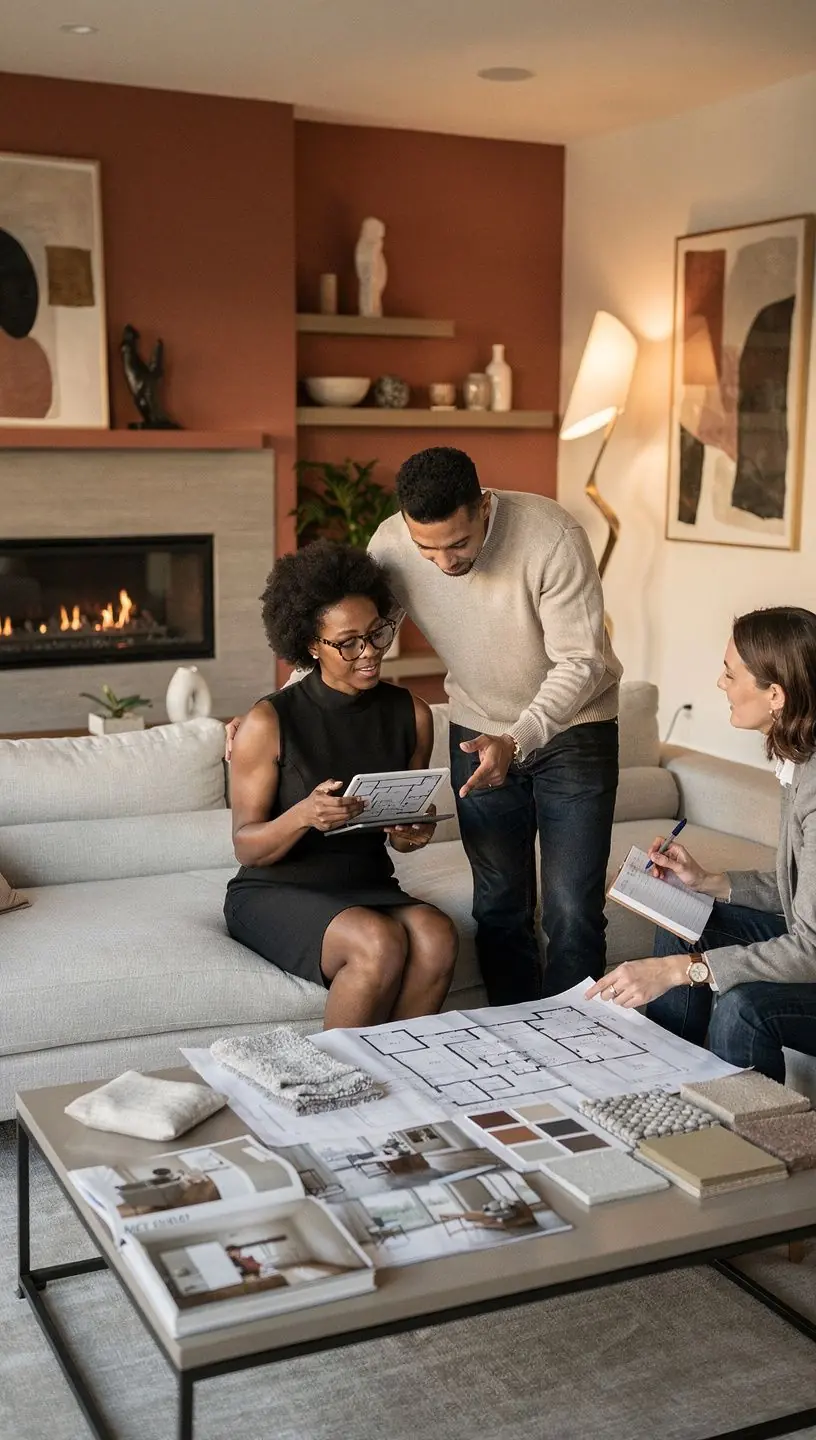
To create a cohesive style, it is essential to understand the fundamental principles of design. According to interior design experts, a unified look typically relies on a consistent color palette, similar textures, and complementary furnishings. This approach can help establish a sense of flow and serenity throughout your space.
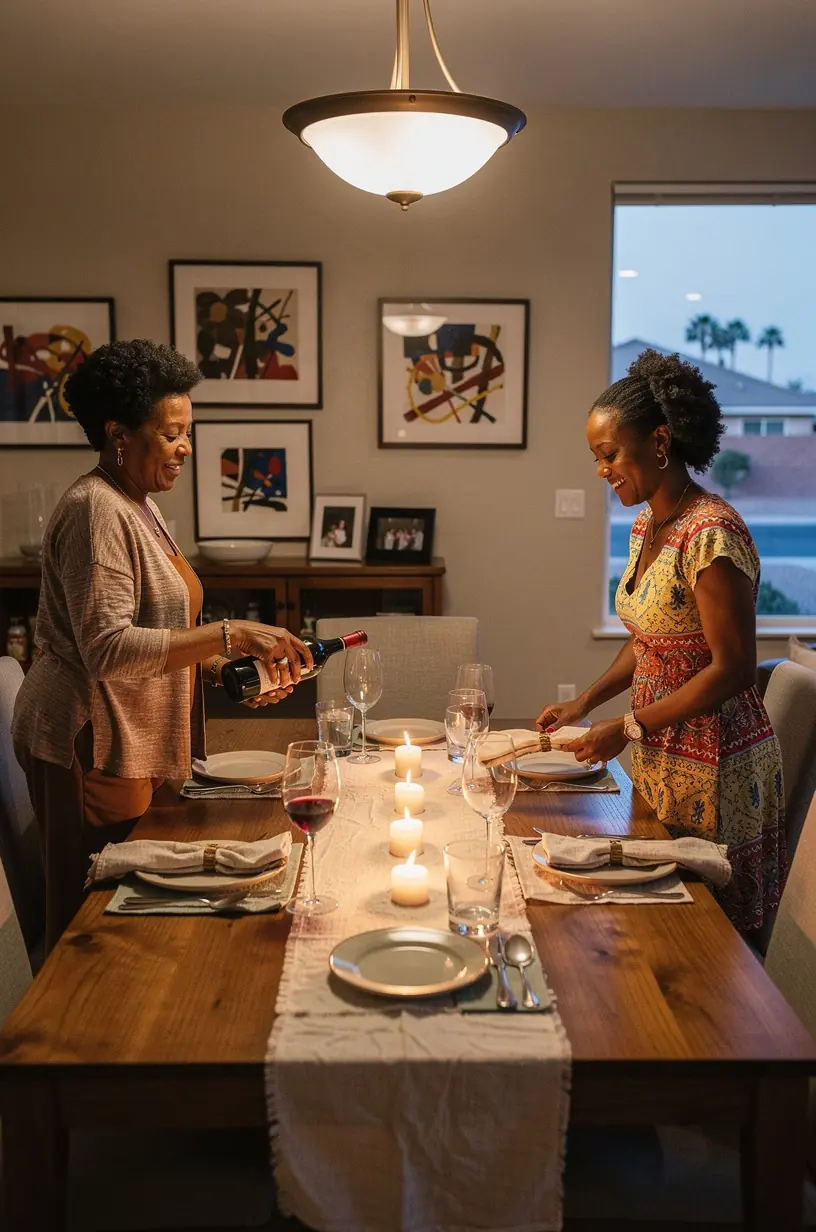
"A cohesive interior can be achieved through thoughtful selections and a clear vision, showing that less can indeed be more."
Key Strategies for Minimal Upgrades
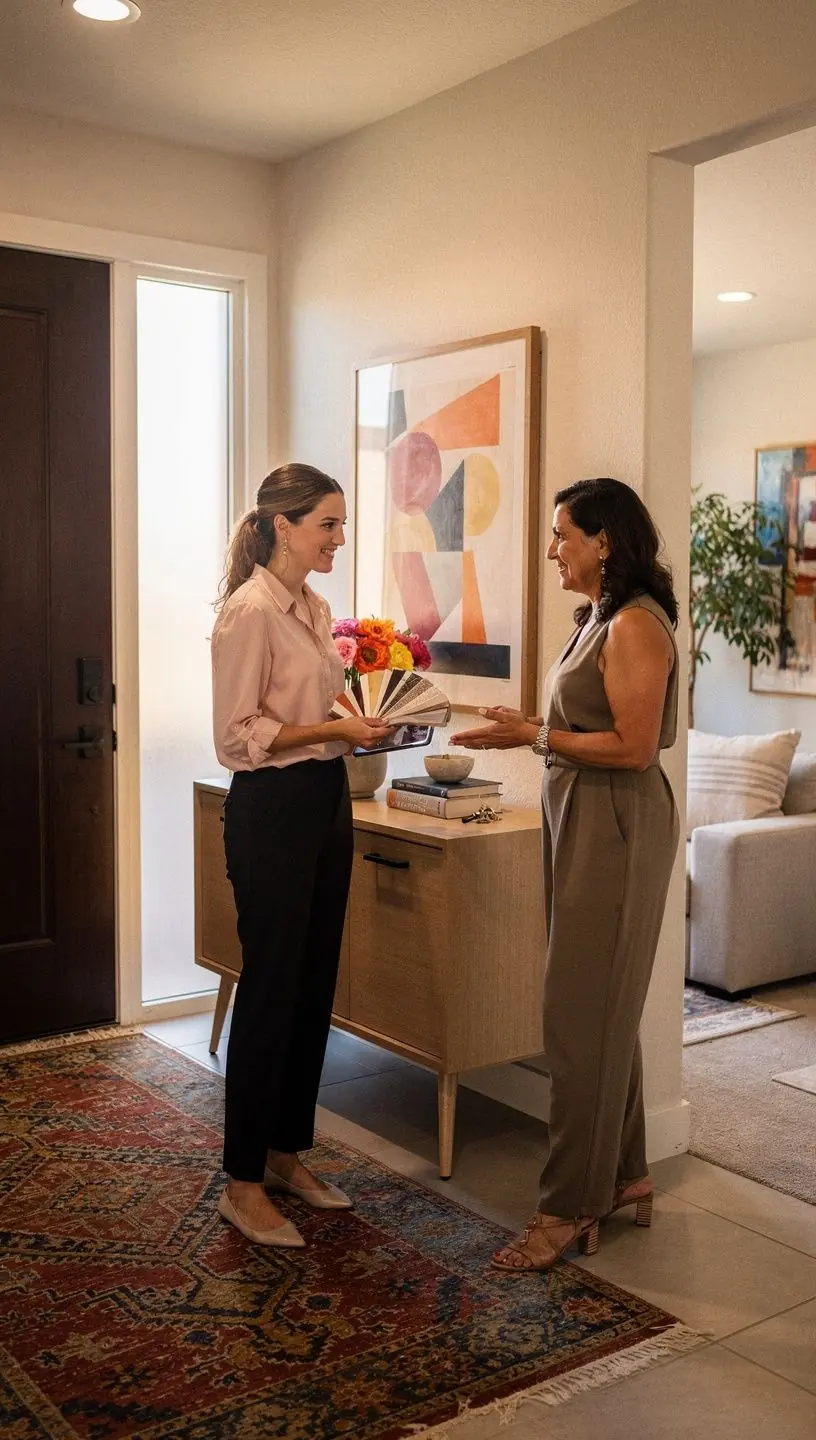
- Choose a Consistent Color Palette: Often, experts recommend selecting three to five colors that resonate with each other. This can include a dominant color, a secondary color, and an accent color. Studies show that rooms decorated in a limited color scheme can feel more organized and visually appealing.
- Focus on Key Furnishings: In many cases, investing in a few high-quality pieces of furniture can elevate the entire room. For instance, a well-chosen sofa or a unique coffee table can serve as a focal point, drawing the eye and tying together various elements in the room.
- Incorporate Textures: Adding different textures can enhance the visual interest of a space. Consider integrating materials like wood, metal, and fabric. This approach works well because it allows for variety while still maintaining cohesion through the selected color palette.
Practical Application of Micro-Renovations
When implementing these strategies, be mindful of the time and effort involved. Many users report that while these upgrades can be completed within a short timeframe—typically a few weekends—they require some planning and commitment. Here’s a step-by-step process to guide you:
- Assess Your Current Space: Take a close look at your existing furnishings and decor. Identify pieces that contribute to a cohesive look and those that detract from it.
- Create a Vision Board: Use online platforms like Pinterest to compile your ideas. This visual reference can help clarify your aesthetic goals and guide your upgrade choices.
- Make Gradual Changes: Implement changes one step at a time. For instance, start with a fresh coat of paint, then add new throw pillows or a rug that ties the room together.
Conclusion
Creating a cohesive style through minimal upgrades is not only achievable but also rewarding. By focusing on a consistent color palette, selecting key furnishings, and incorporating textures, you can enhance your living space without undergoing a full renovation. Remember, the process typically takes time and patience, but the results can significantly improve your home’s aesthetic. With thoughtful planning and execution, your interior can reflect a harmonious and inviting atmosphere.