Understanding the Impact of Color Schemes in Small Spaces
When it comes to enhancing small interiors, the selection of color schemes can significantly influence the perception of space and mood. This article explores how color choices can affect small rooms and offers practical strategies for implementing these insights.
Understanding the Basics
Color schemes play a crucial role in interior design, particularly in small spaces. Experts suggest that light colors can create an illusion of spaciousness, making rooms appear larger than they actually are. In contrast, darker shades often make spaces feel cozier but can also create a sense of confinement if overused.
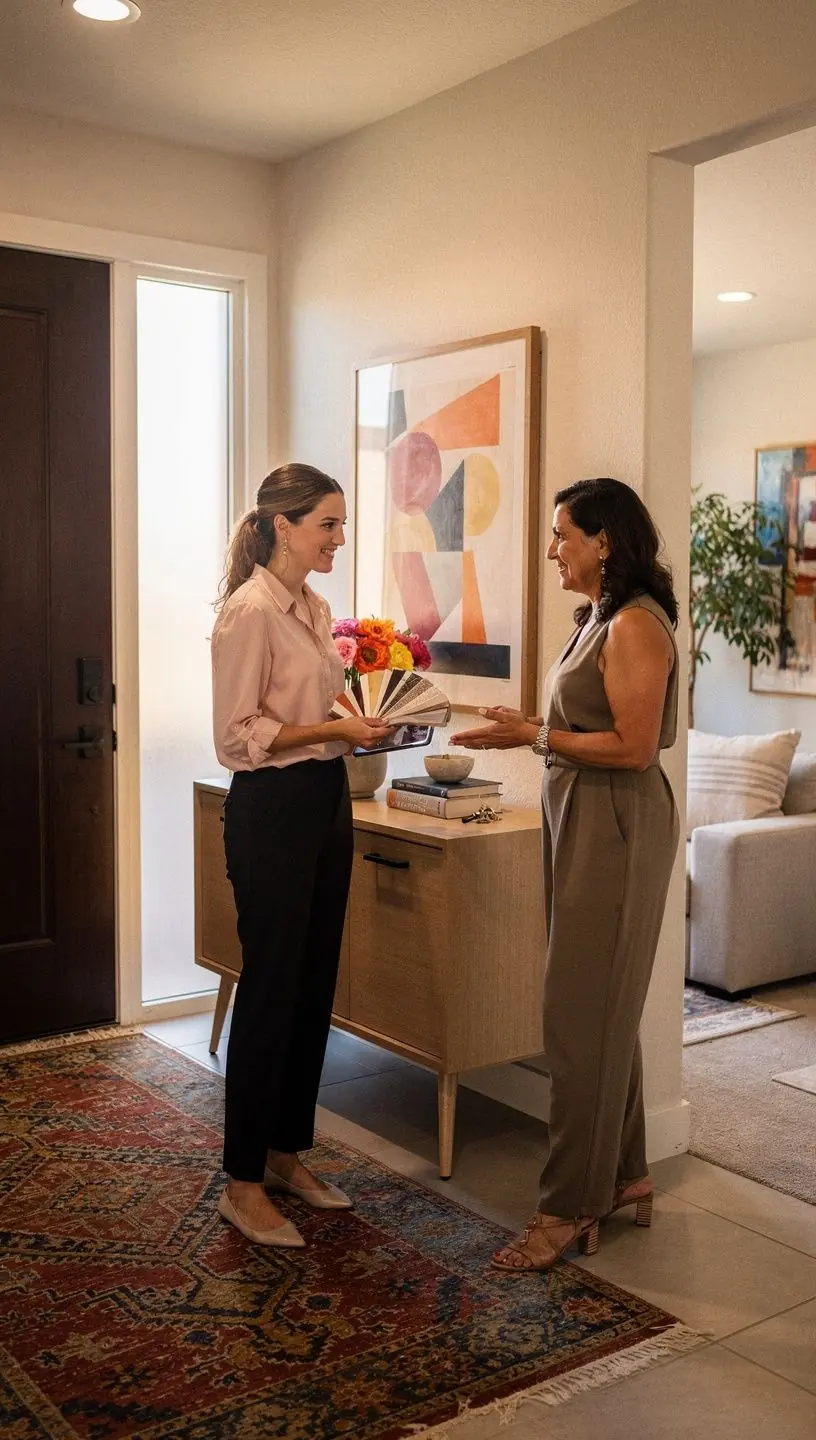
"The choice of color can transform a small room into a comfortable haven or make it feel cramped and uninviting." - Industry Expert
Psychological Effects of Color
The psychology of color indicates that different hues can evoke distinct emotional responses. For example:
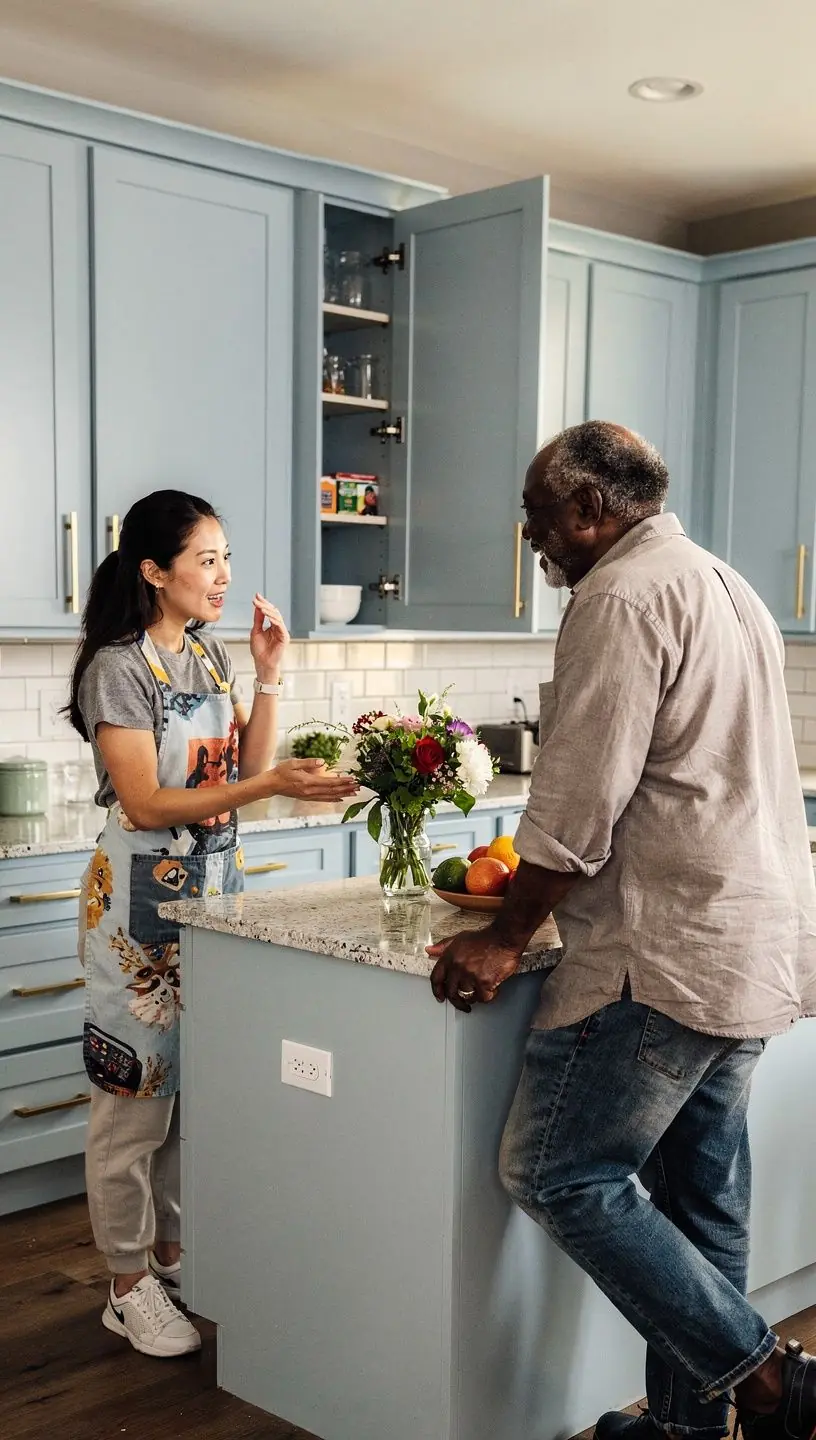
- Blues: Often associated with calmness, blues can create a serene atmosphere, which is beneficial in a small bedroom or bathroom.
- Yellows: Typically viewed as cheerful, yellow can add warmth but should be used sparingly in small spaces to avoid overwhelming the area.
- Greens: Often linked to nature, greens can provide a refreshing vibe that balances well in compact living areas.
Creating the Illusion of Space
To maximize the feeling of space in small interiors, the following strategies can be beneficial:
- Use Monochromatic Schemes: Utilizing varying shades of a single color can help create a cohesive look that enhances depth.
- Incorporate Accent Walls: A single wall painted in a contrasting color can add interest without making the entire space feel smaller.
- Employ Reflective Surfaces: Mirrors and glossy finishes can reflect light and colors, contributing to an expanded visual field.
Acknowledging Limitations
While implementing these color strategies may improve the perception of space, it is essential to acknowledge some limitations:
- Results may vary: Individual spaces may respond differently to color based on lighting and existing decor.
- Color choices require thoughtful consideration: This process typically involves trial and error, and might take several attempts to achieve the desired effect.
- Professional help may be beneficial: Consultations with interior design professionals can provide tailored advice, especially for more complex arrangements.
Conclusion
In summary, color schemes can significantly impact the feel and functionality of small spaces. By understanding the psychological effects of colors and applying strategic design principles, homeowners can create environments that are not only visually appealing but also enhance the overall living experience. Whether through subtle monochromatic themes or bold accent choices, the right color can make a profound difference in how we perceive our surroundings.