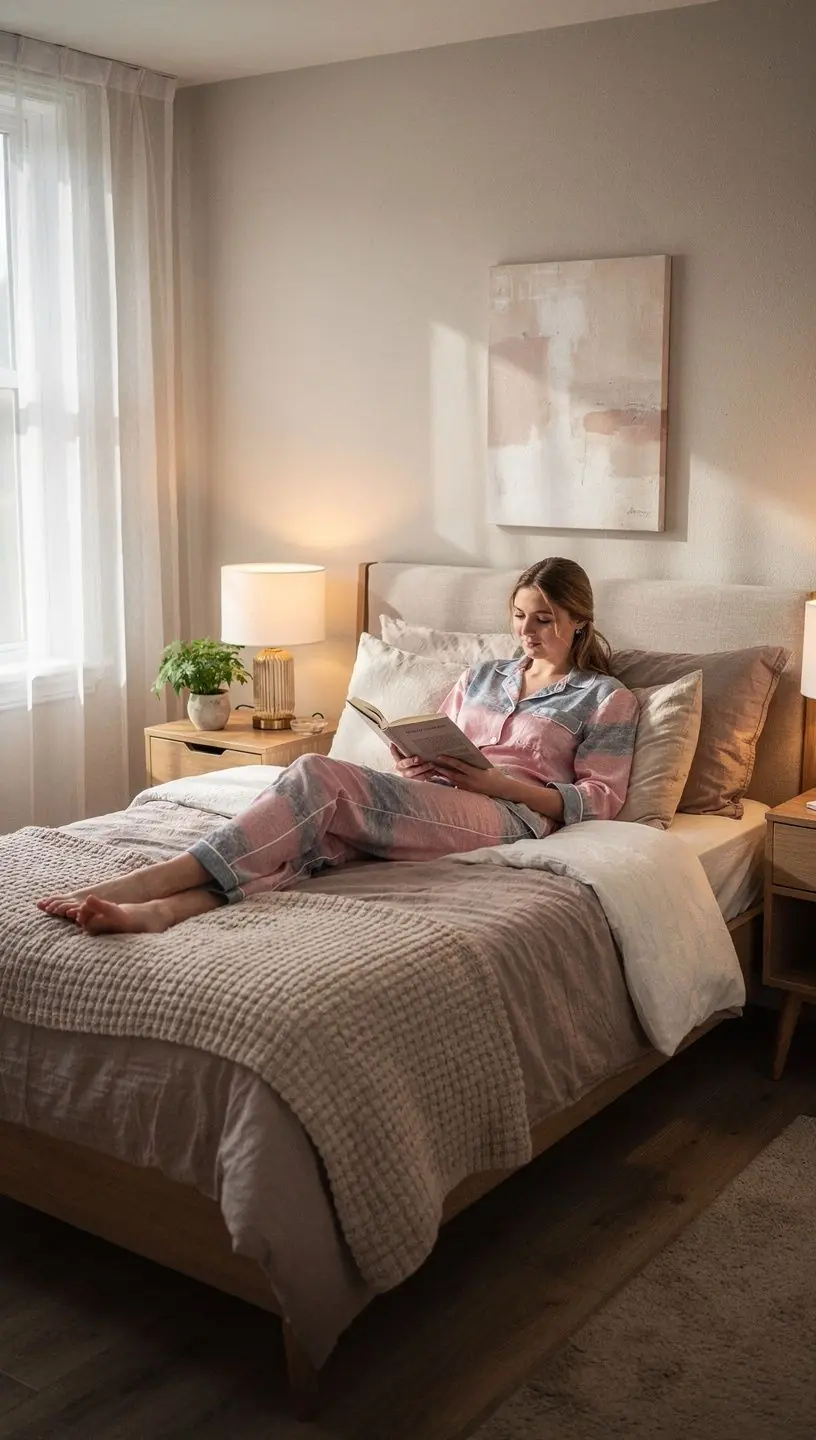
Exploring Sustainable Materials for Micro-Renovation Projects
Micro-renovation is gaining popularity as homeowners seek to make impactful upgrades without the extensive effort of a full renovation. This article explores sustainable materials that can enhance your interior spaces while being mindful of environmental impact.
Understanding Sustainable Materials
Sustainable materials are those that have a minimal impact on the environment throughout their lifecycle. According to research by the U.S. Green Building Council, using sustainable materials can significantly reduce the carbon footprint of construction projects. These materials are often sourced responsibly, are energy-efficient, and can contribute to healthier indoor environments.

"The use of sustainable materials can lead to energy savings of up to 30% in residential buildings." - Energy Efficiency Research Institute
Common Sustainable Materials for Micro-Renovations
When considering materials for your micro-renovation, here are some options that are both sustainable and effective:
- Bamboo: This fast-growing grass is durable and renewable, making it a popular choice for flooring and cabinetry. Studies show that bamboo can be harvested every 3-5 years, unlike traditional hardwood trees which may take decades to mature.
- Recycled Wood: Reclaimed wood not only reduces waste but also adds character to your space. Many users report that using recycled materials can create a unique aesthetic while supporting sustainability.
- Low-VOC Paints: Volatile Organic Compounds (VOCs) are harmful to indoor air quality. Low-VOC paints improve the air quality in your home, making it a healthier environment. Experts recommend using these paints for any interior renovation.
Why Choose Sustainable Materials?
Choosing sustainable materials for micro-renovation projects often leads to long-term benefits. This works because:
- **Environmental Impact:** Sustainable materials help reduce waste and minimize the depletion of natural resources.
- **Health Benefits:** Many sustainable materials contribute to improved indoor air quality, which can lead to better health outcomes for residents.
- **Aesthetic Flexibility:** These materials can be aesthetically pleasing and stylish, aligning with contemporary design trends.
However, it’s important to acknowledge that using sustainable materials may require a greater upfront investment. The return on this investment can manifest in lower utility bills and enhanced property value over time.
Realistic Expectations and Considerations
In most cases, micro-renovation projects involving sustainable materials typically take between 2 to 4 weeks to complete, depending on the scope of work. It’s essential to set clear expectations:
- **Planning and Research:** Understanding the available sustainable materials can involve researching suppliers and assessing which materials suit your project best.
- **Installation Complexity:** Some sustainable materials may require specialized installation techniques, so hiring experienced professionals can be beneficial.
- **Maintenance Requirements:** While sustainable materials are often durable, they might have specific maintenance needs that require attention to ensure longevity.
Conclusion
Micro-renovation projects focused on sustainable materials offer a practical approach to upgrading your living space while being environmentally conscious. By selecting materials that are both effective and eco-friendly, homeowners can enjoy an interior that reflects their values and aesthetic preferences.
Remember, investing in sustainable materials can lead to significant long-term benefits, both for your home and the planet. With thoughtful planning and execution, your micro-renovation can be a step towards a more sustainable future.
Learn More